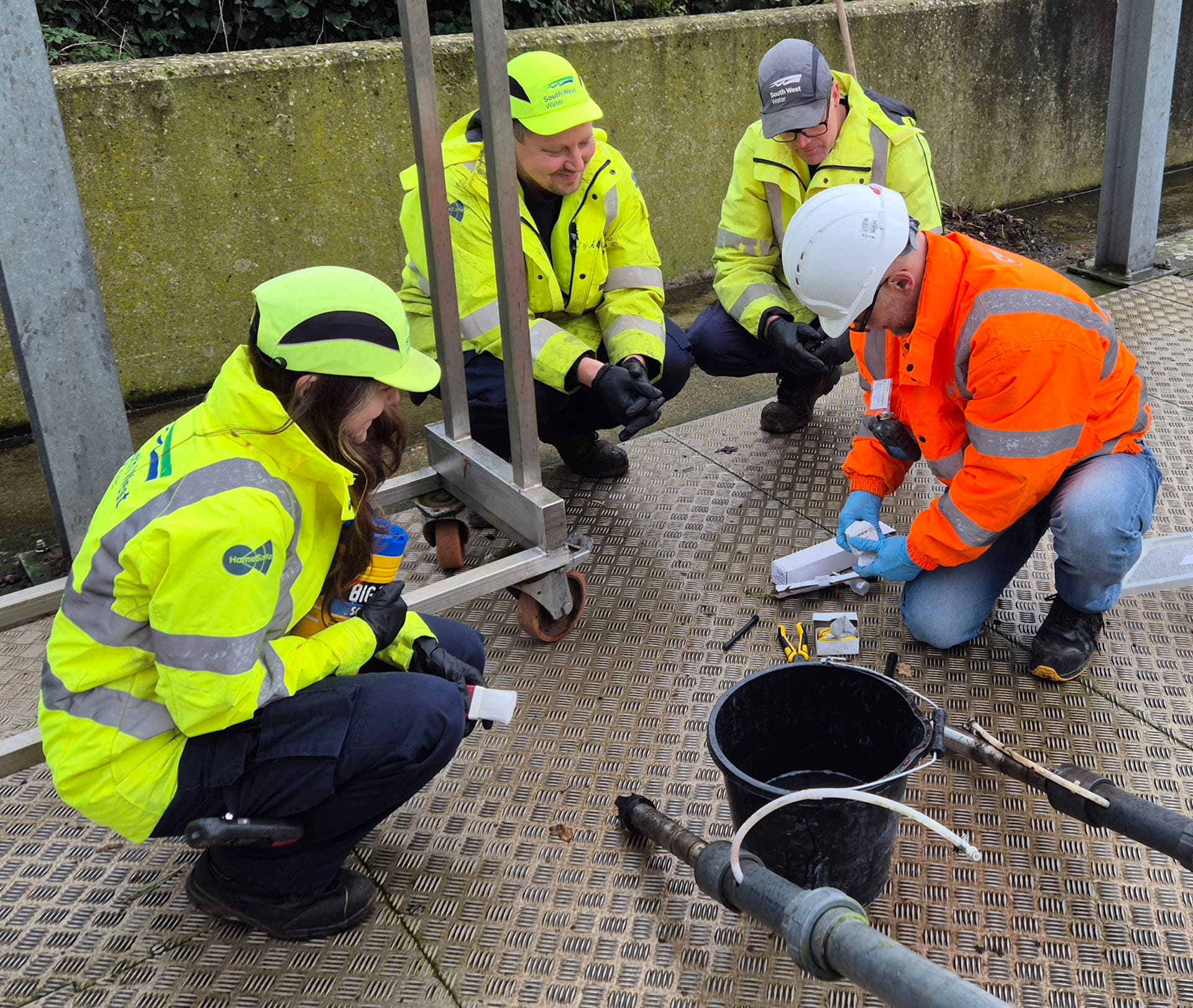
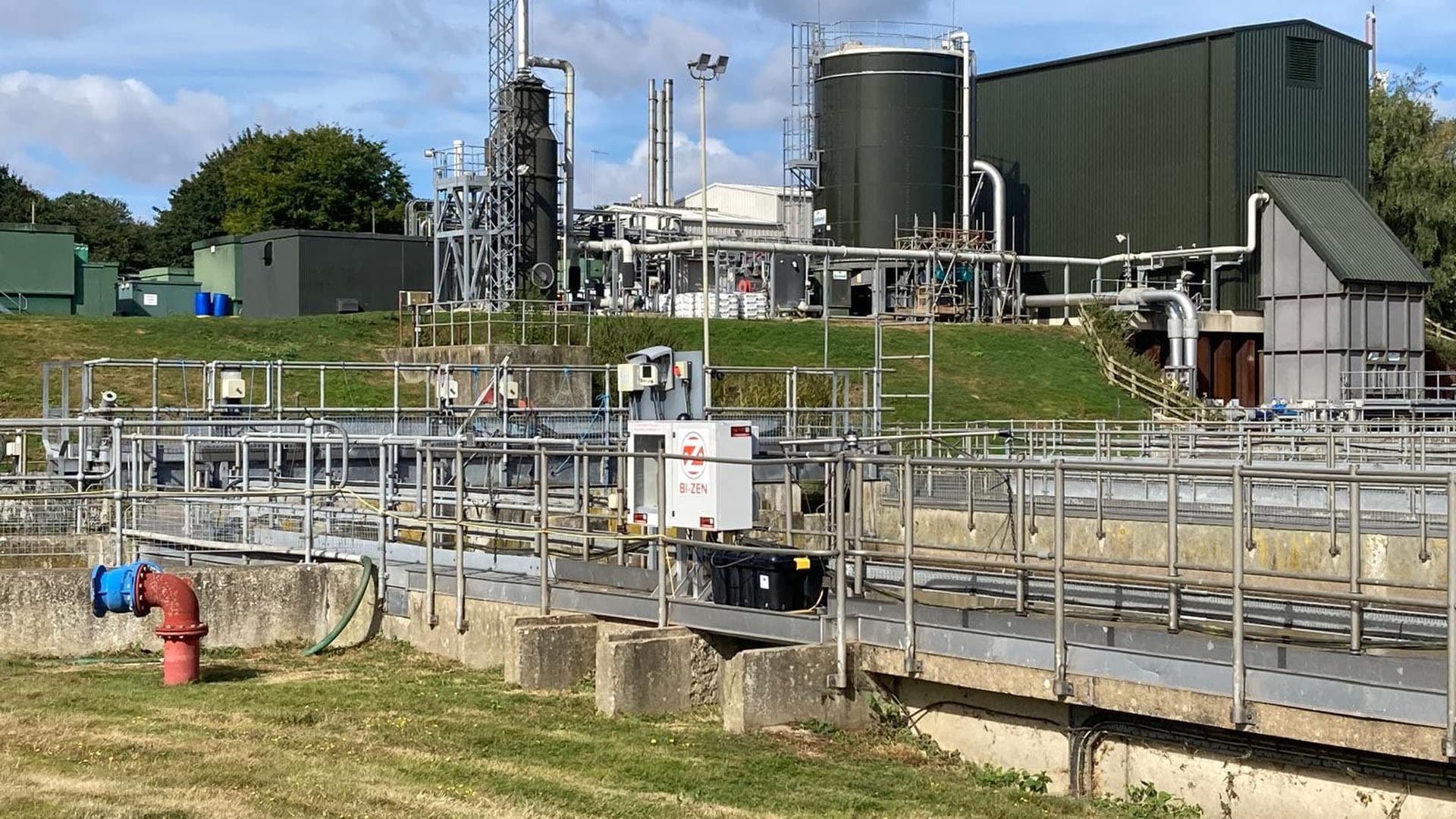
An Industrial Emissions Directive (IED) related review of sludge treatment required the client to understand how reduced digester throughput could affect ammonia loading and future asset needs. Five temporary Optimisers challenged earlier capacity assumptions, confirmed the continuing role of the N.BAFF and informed a controlled four-of-six-cell strategy with potential annual OPEX savings of approximately £275,000.
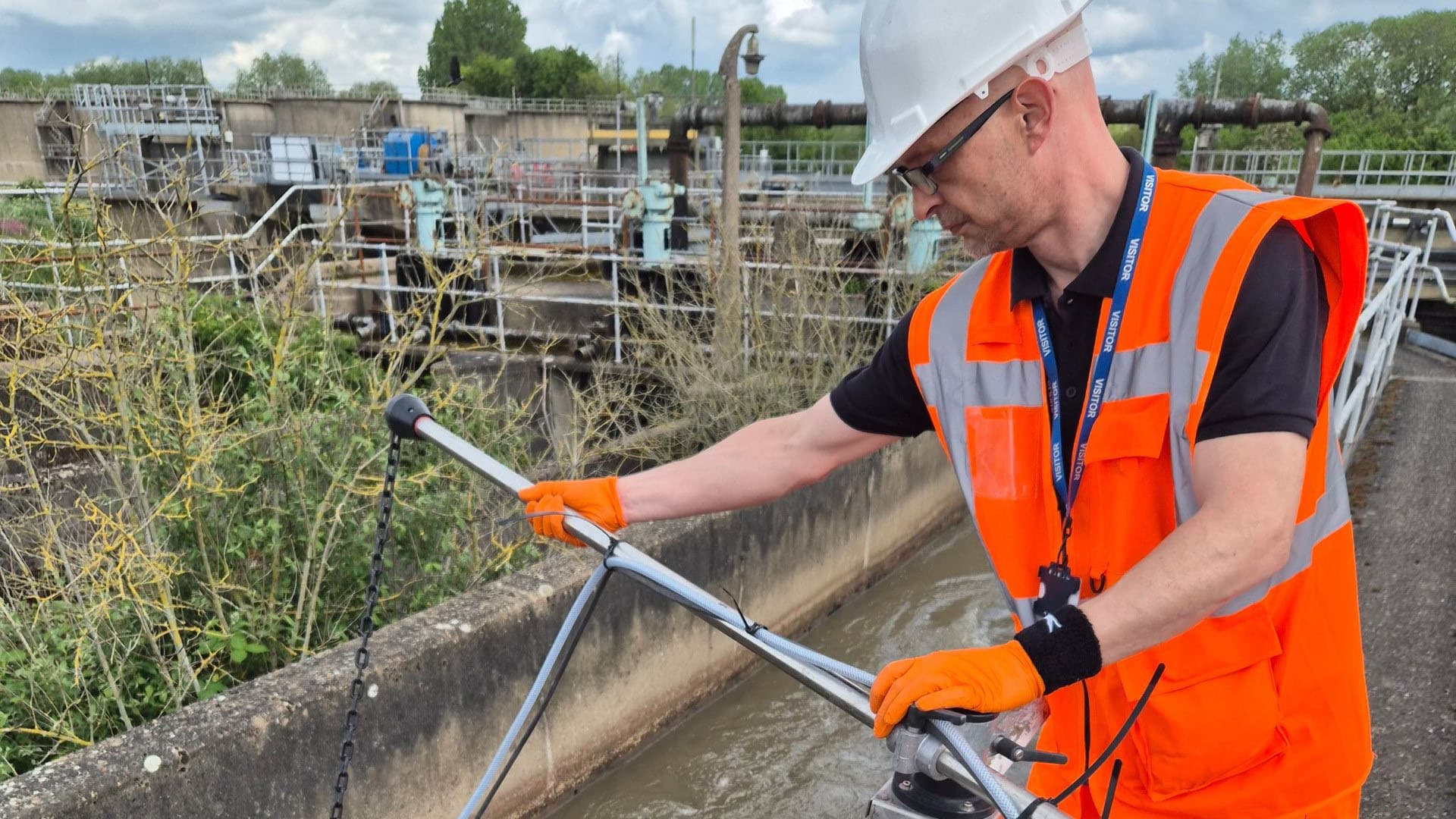
Temporary high-frequency monitoring captured storm loads that conventional sampling had missed. The evidence helped the project team assess solids capture, review design assumptions and consider whether additional settlement capacity was required.
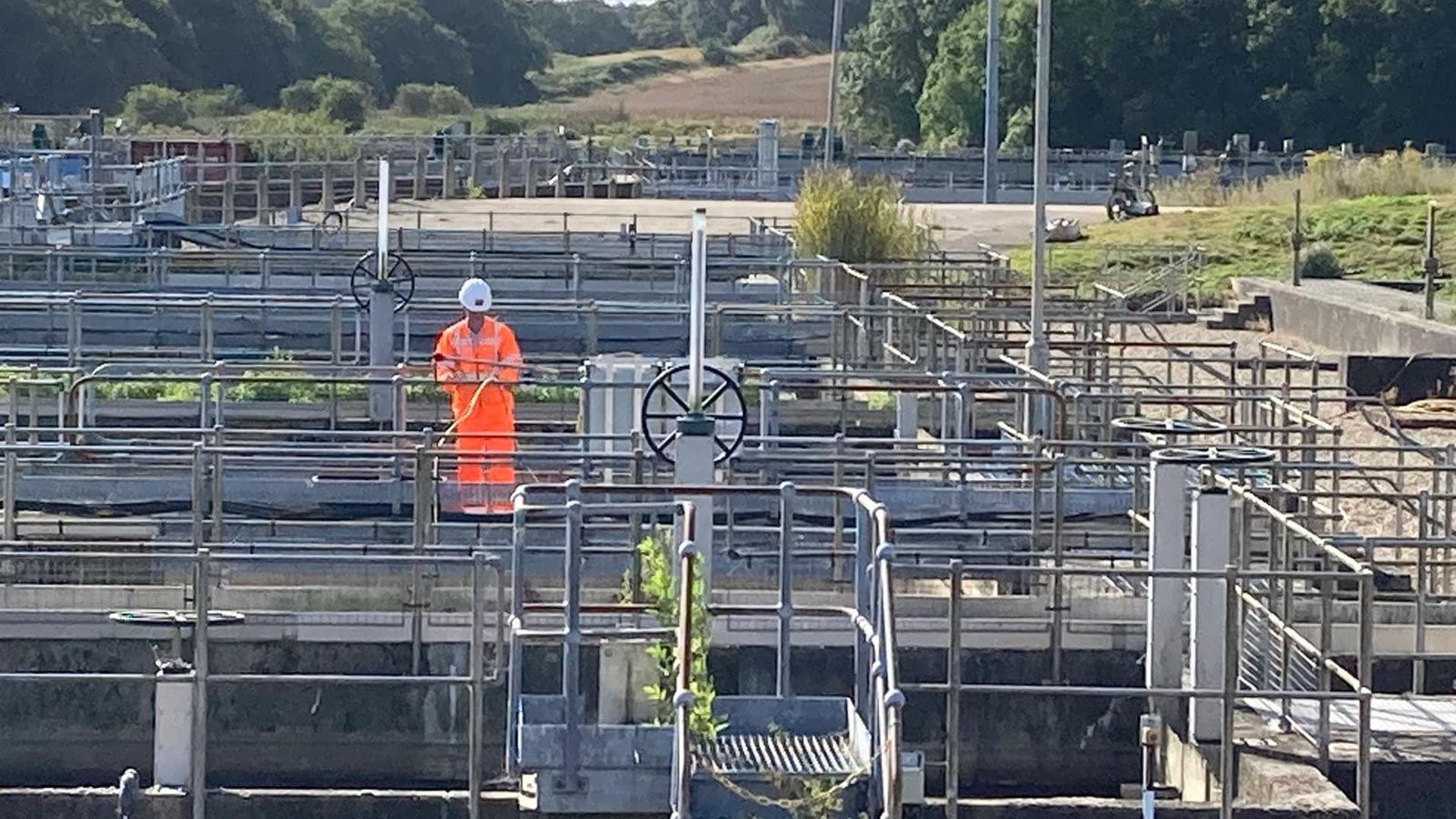
To inform site rationalisation and future design, BI-Zen monitored crude-sewage loading and SBR outlet performance. Live, high-frequency evidence captured repeated solids breakthrough during specific decant cycles and focused investigation on a sealing valve letting by. The team could address the maintenance issue before considering larger process or capital changes.
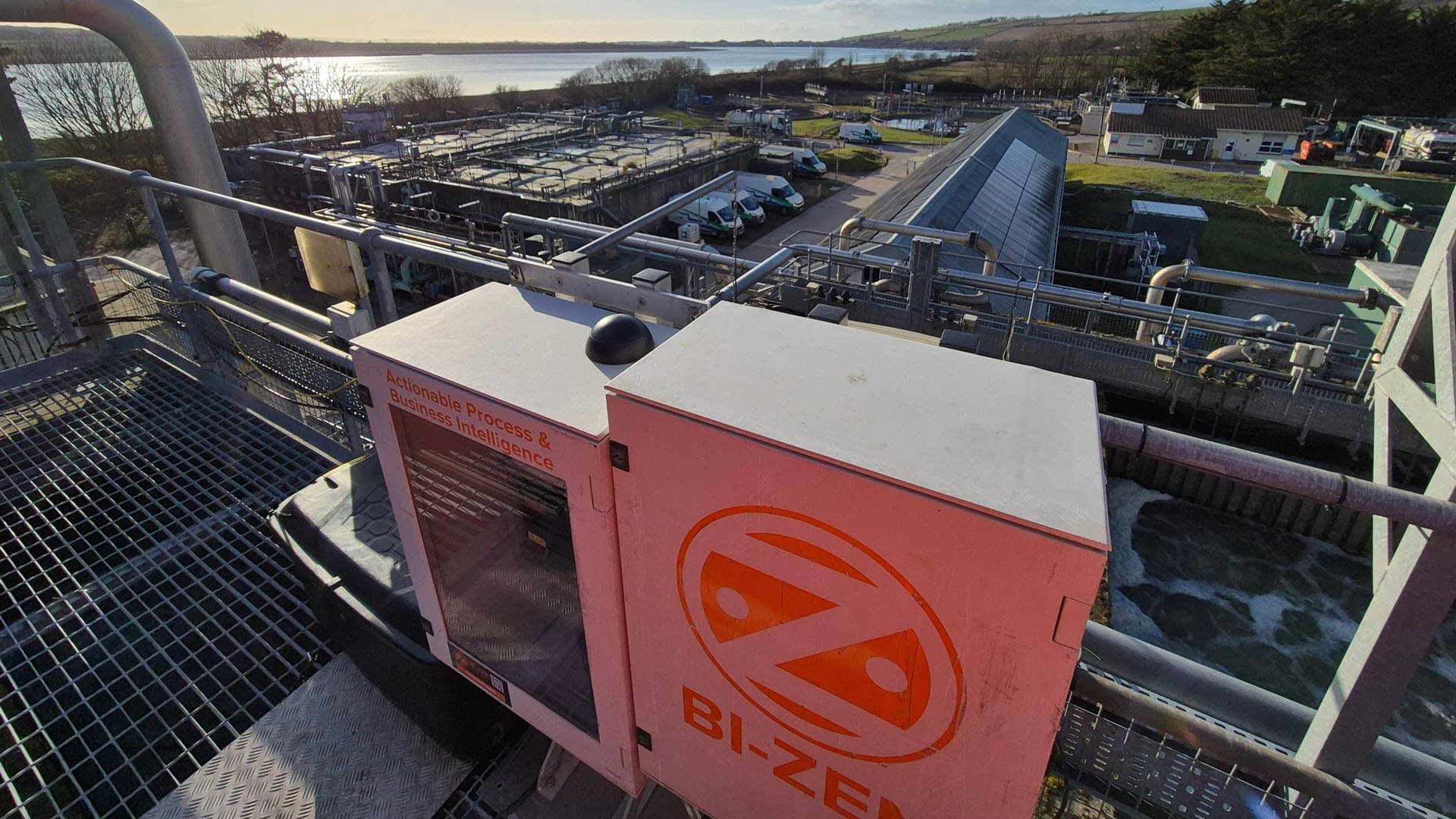
Temporary Optimisers compared settled-sewage composition across two process batteries before moving to an existing anoxic zone. Minute-level trends showed that Battery C received less soluble carbon relative to ammonium and behaved differently from the reference battery, prompting the project team to reconsider a conventional anoxic zone design and take a wider systems approach.
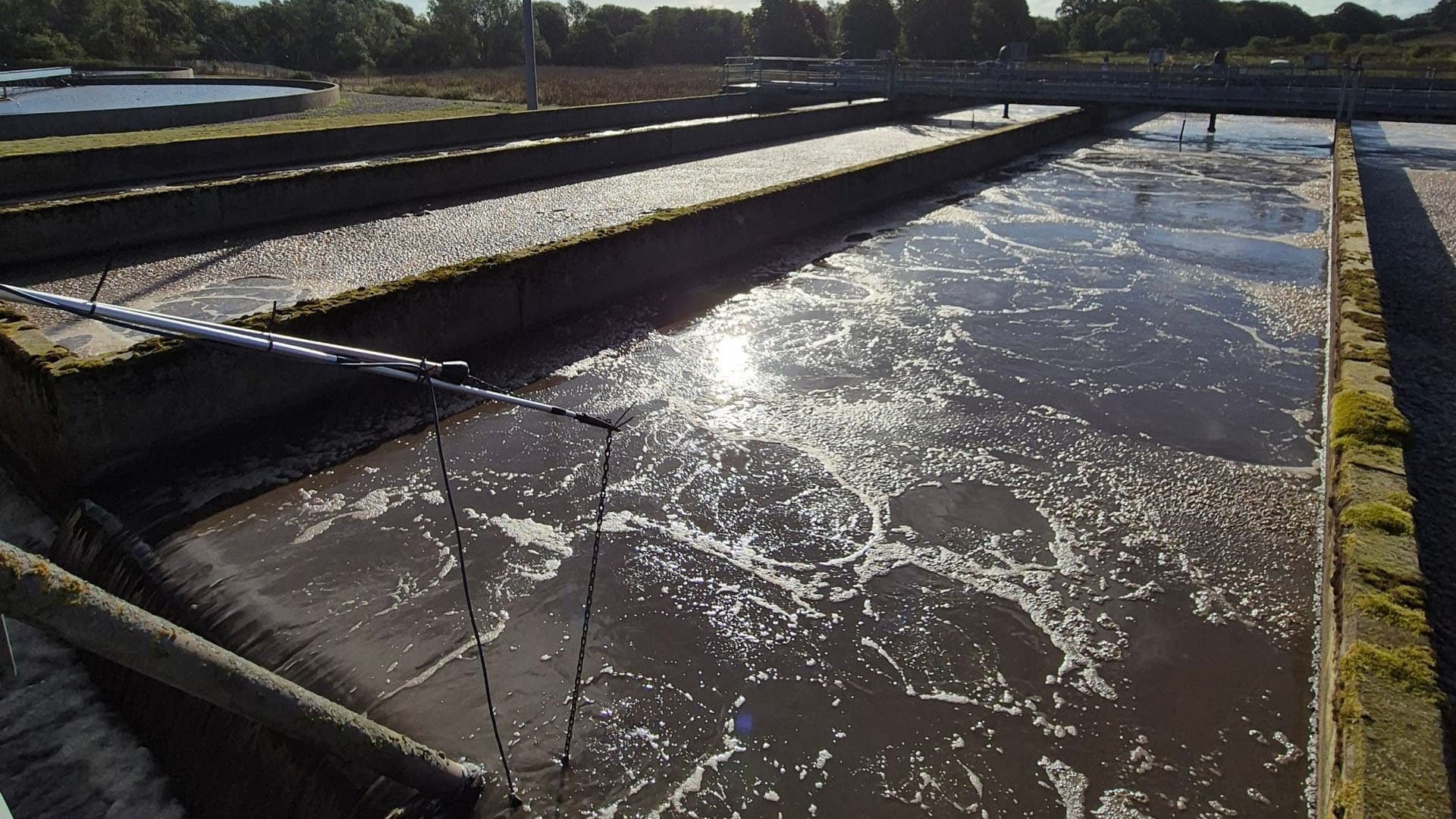
South West Water, Jacobs and BI-Zen combined fixed dissolved N₂O monitoring, a settled-sewage Optimiser and a mobile floating profiling rig across three activated sludge lanes. High-frequency evidence established an ASP baseline, revealed lane-to-lane variation and focused the next stage of investigation.
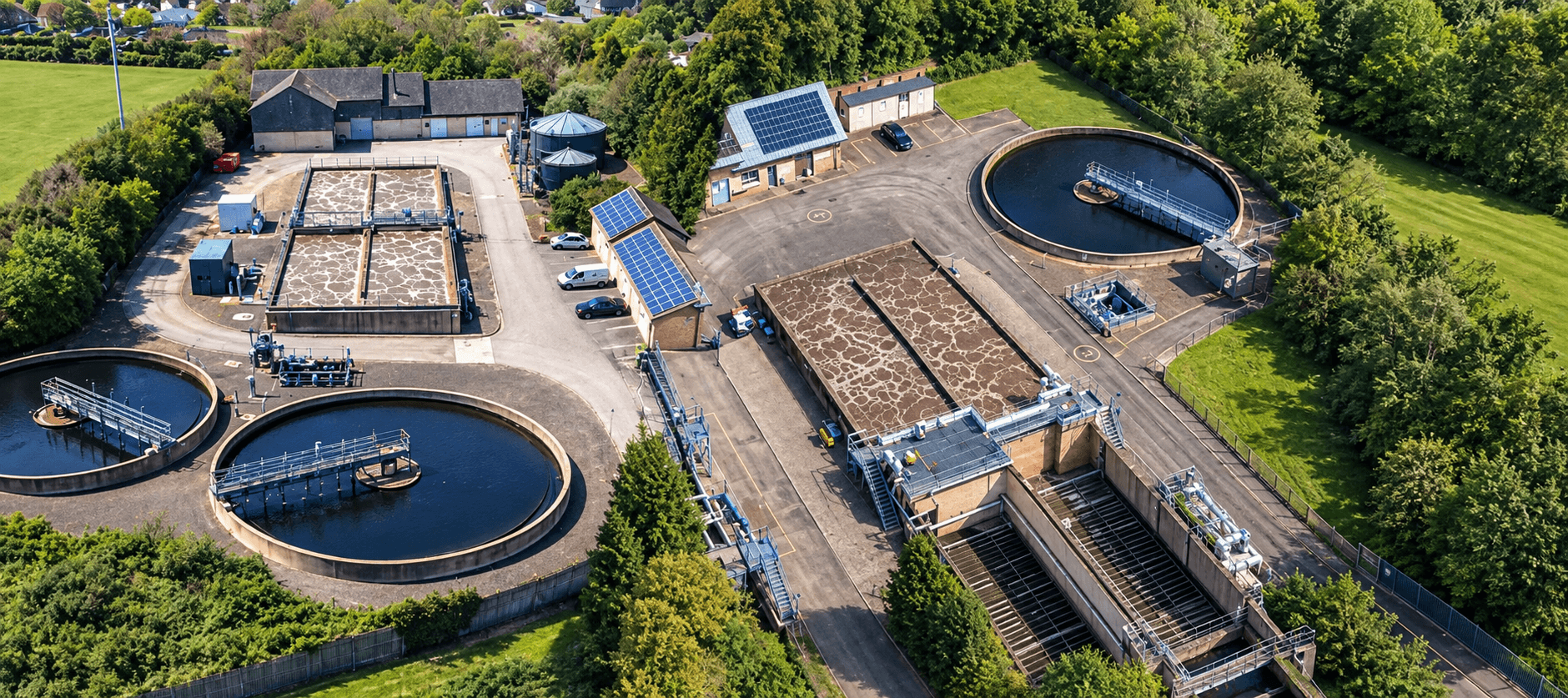
N₂O has 273 times the 100-year warming impact of CO₂, and recent UK water-sector reporting changes have raised the importance of understanding when wastewater processes generate it. Across two comparable carbonaceous asps, BI-Zen’s Optimisers have connected changing load, aeration and treatment response with dissolved N₂O to reveal when unintended nitrification developed and inform an approach that could scale across a wider asset portfolio.
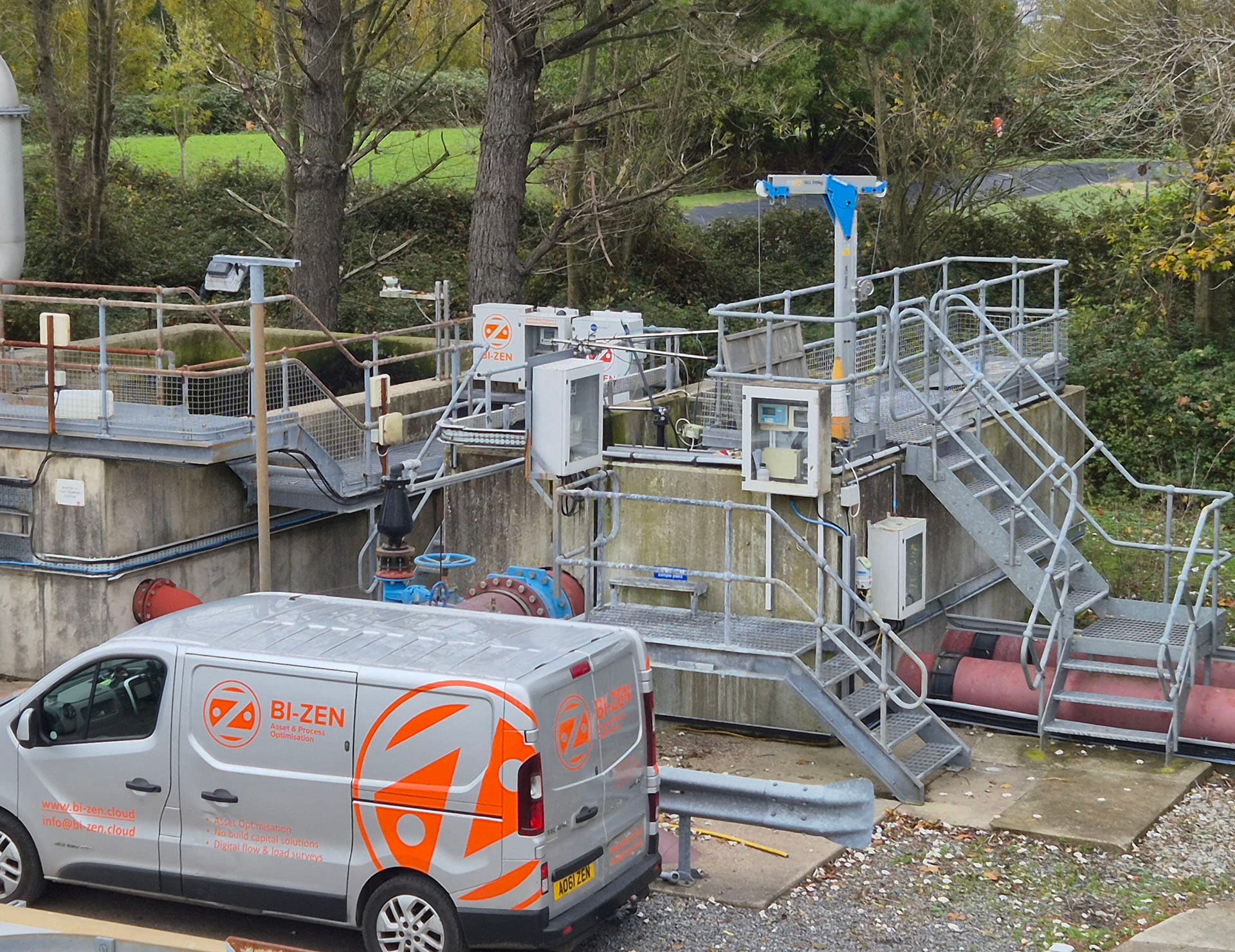
A medium-to-large wastewater treatment works with regional sludge treatment had experienced pollution failures and required sustained reactive intervention. BI-Zen helped operations, process science and ICA use a systems-thinking approach to test historic assumptions and close evidence gaps with live Optimiser data. The collaborative work identified the conditions behind instability, supported rapid operational and control changes, and helped recover more stable performance without a major capital intervention.
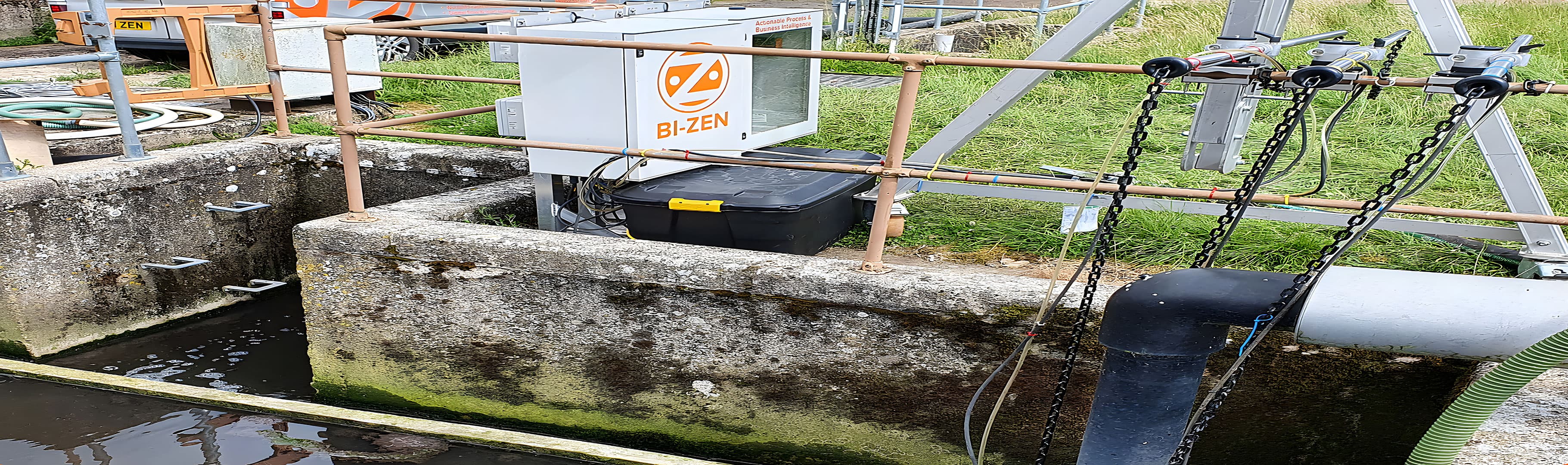
At a 2,826 PE biological filter works, BI-Zen monitored a controlled increase in recirculation and filter wetting using one-minute data at the humus-tank outlet. Live evidence exposed short morning ammonia peaks that periodic samples could miss and helped the project team test hydraulic options before assuming that a major media upgrade was required.
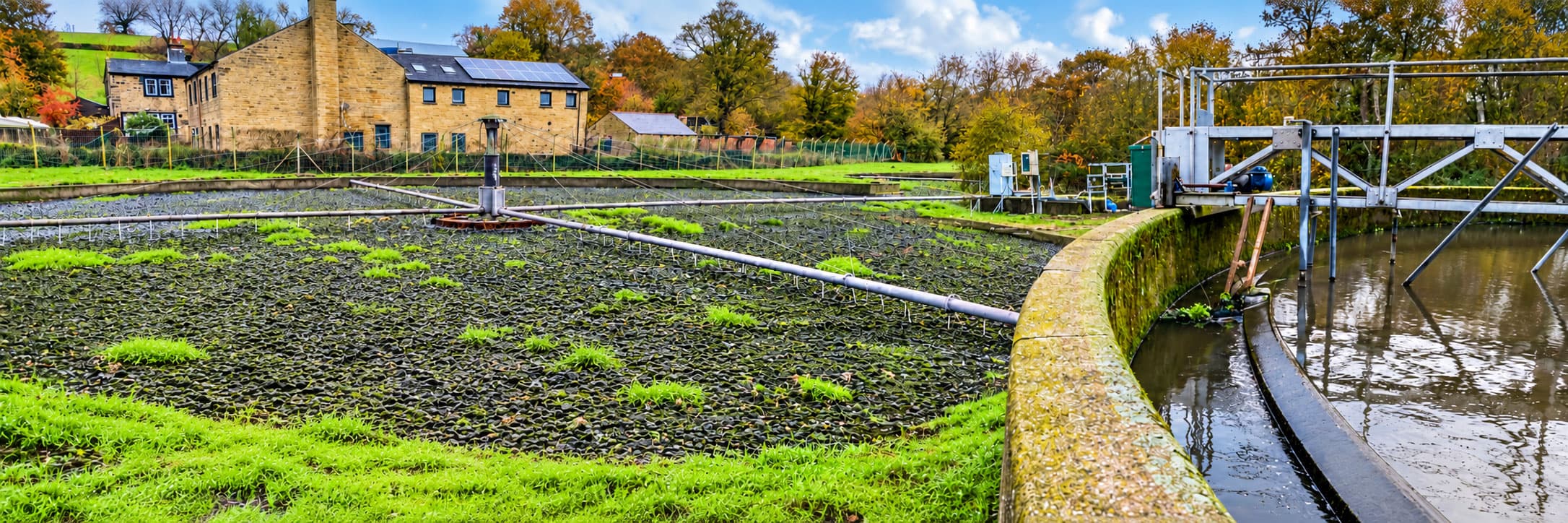
A two-week digital monitoring and sampling programme showed where the biological filter works was underperforming and where process headroom remained. The project team used the evidence to target operational and maintenance interventions and reduce the promoted capital solution from £6.76m to an estimated £1.6m.
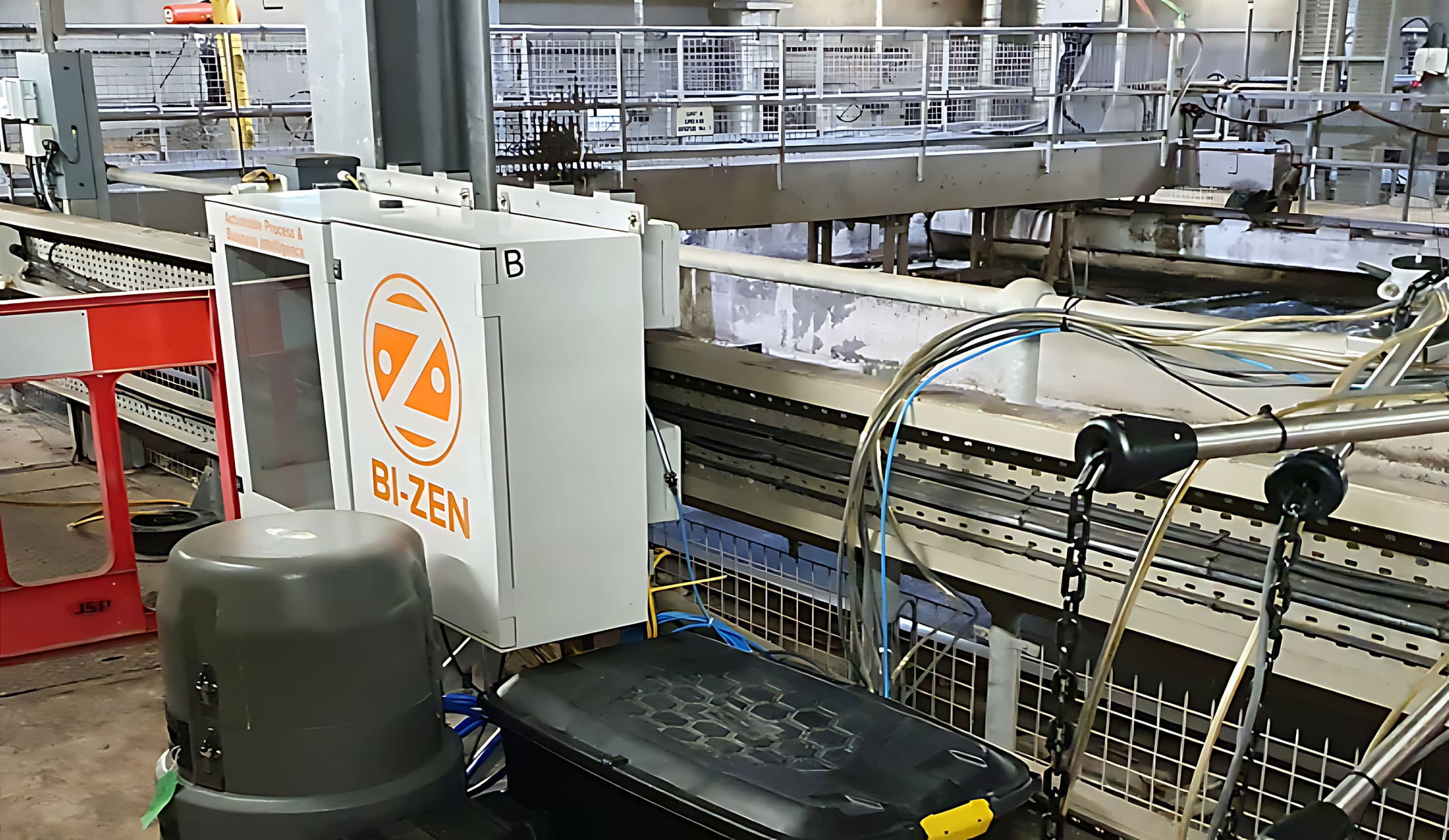
BI-Zen deployed temporary Optimisers at the inlets to two large works within one catchment. High-frequency evidence established current loading profiles, quantified saline infiltration and tested the effect of digestate return liquors. At one works, the measured basis indicated a potential reduction of around 20% against historical values, allowing design assumptions to be reviewed before the rationalisation option progressed.